A New Synthetic Opiod – “7-OH” | “OxyContin 3.0” – NOW in Convenience Stores, Vape and Smoke Shops in the Lakes Region
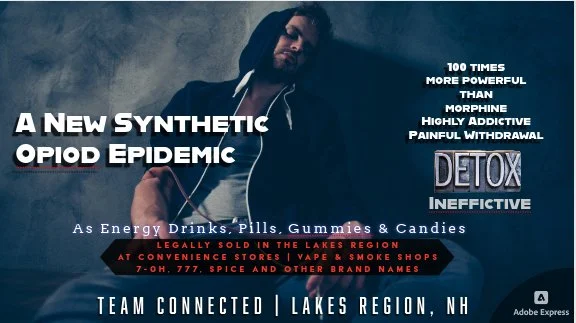
A 40 Year “Street Drug” War on our Lakes Region Community — Just Repeating Itself
RE-EDITED 11.03.2025: A shift in public policy in every American community was initiated in 1971 under President Nixon. It was labeled a “War” and entitled the “War on Drugs”. It has been a a continuous never-ending war “re-declared” via Executive Order(s) by every administration — immediately post their inauguration —- since 1970; and this “War” on Americans has been waged relentlessly by a variety of national, state and local well-intentioned law enforcement officers since that time. Most readers have witnessed that “War on Drugs” in their communities via news reporting, documentaries, predictive programming embedded into feature films, more recent podcasts and a variety of other media outlets.
“… The War on Drugs began in June 1971 when President Nixon declared drug abuse a "public enemy number one," leading to increased federal funding for drug control. Key events include the creation of the Drug Enforcement Administration (DEA) in 1973, the expansion of punitive measures under President Reagan in the 1980s, and ongoing debates about reform and decriminalization in the 21st century.”
Initially the “War on Drugs” was focused on natural substances deemed to be drugs with deleterious effects (i.e., with mind altering hallucinogenic properties such as marijuana, LSD, poppy flower opioids, psilocybin mushrooms, peyote, ayahuasca and others). As the war proceeded into the ‘80’s, regulated prescription drugs (i.e., “scheduled” opioids, depressants and others) entered the battlefield. Yes, Americans today have witnessed — from Baby Boomers to the present generation — a continuous State of War being waged on their community streets and internationally; some of which we have addressed in previous blog posts:
The War on Poverty heavily influenced and contributed to by American’s unabated loss of purchasing power of the dollar since 1913 in a blog post entitled: “WHAT IF … “Rent Burdens” & “Debt Burdens” Just Vanished in the Lakes Region?”
A War on Human Perception itself through Multiple Deceptions in a blog post entitled: “Parting the Veils of Deception - Local Influences on Information - and the Unseen Realm”.
The War on Privacy that has taken place in the last 30 years in a blog post entitled: “Impacts of Surveillance “Statecraft” in the Lakes Region — “Takings” of Personal Data”; and
An upcoming post on the War on Information Narrative and Full Spectrum Dominance.
In the ‘90’s as the new field of synthetic biology SYNBIO emerged within domestic laboratories across America, the “War on Drugs” was now challenged by a host of new synthetic “opioid” drugs such as morphine, oxycontin, and fentanyl. What distinguished these synthetic forms of opioids from the initial drugs derived from natural substances? Several attributes stand out:
WHO are the Targets in this Never-Ending “War on Drugs”? Well … the Answer May Disturb Readers. Every-Day Americans Are the “Targets” in this Highly Profitable War.
The SYNBIO synthetic “opioids” were engineered (molecularly and at a nano-scale — SEE BELOW “Nano Rx” Report by ETC Group) in domestic labs beginning in the late 1980’s — no longer requiring the the seasonal cycles of:
planting,
tending,
protection,
growing on foreign soils of natural plants or mushrooms,
then the harvesting,
and clandestine importation schemes to bring them into America;
The SYNBIO engineered synthetic “opioids" (i.e., as in pill forms) could be manufactured for pennies/pill vastly reducing their cost; and
The SYNBIO engineered synthetic “opioids" at nano-scale could be created from a totally new array of new, never seen before chemicals in nature, but having higher and newly constructed effects mimicking natural “opioids” — but with enhanced “off the charts” addictiveness and mind altering powers; for example, 100 times or more powerful than morphine prescribed by physicians.
One of Those Synthetic Opioids silently crept into the Lakes Region around 2015-2019 | It’s Name? | “7-Hydroxymitragynine (7-OH)”
This blog post will make little or no sense to readers in the Lakes Region; that is, without some real background. Our post addresses a never-ending series of homeland, domestic assaults in multiple waves of SYNBIO synthetic engineered opioid drugs with various pharmaceutical branded names and other street names..
If you want to understand the beginning of this domestic war this short trailer to a six episode feature film series “Painkiller” (with real life news footage and real interviews of victims and their families) — released by Netflix — will demonstrate fully this author’s concern for the massive distribution of the new synthetic opioid in the Lakes Region branded “7-OH, 7, 777, Spice” and other names.
WHY THE CONCERN?
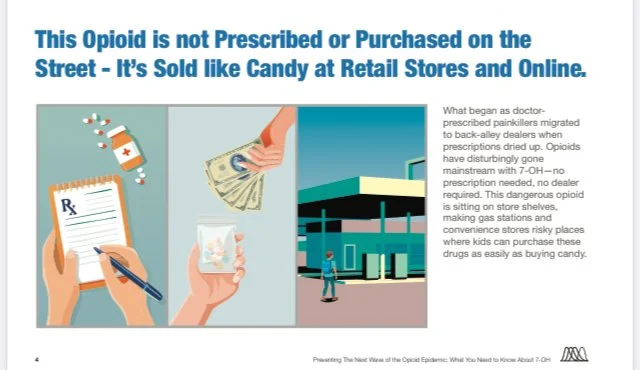
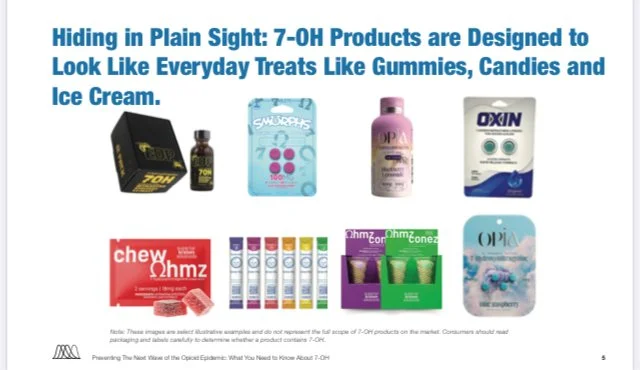
It’s in convenience stores, small bottled energy drinks, pills, powders, gummies and more.
So what happened to Purdue Pharma? First Thousands in Lawsuits Were Filed. Then Purdue Pharma Declared Chapter 11 Bankruptcy. And then …
WIKIPEDIA REPORTS: “… The company manufactured pain medicines such as hydromorphone, fentanyl, codeine, hydrocodone and oxycodone, also known by its brand name, OxyContin. The Sacklers developed aggressive marketing tactics persuading doctors to prescribe OxyContin in particular. Doctors were enticed with free trips to pain-management seminars (which were effectively all-expenses-paid vacations) and paid speaking engagements. Sales of their drugs soared, as did the number of people dying from overdoses.[3] From 1999 to 2020, nearly 841,000 people died from drug overdoses in the United States, with prescription and illicit opioids responsible for 500,000 of those deaths.[4]
A series of lawsuits followed. In 2007, Purdue paid out one of the largest fines ever levied against a pharmaceutical firm for misleading the public about how addictive the drug OxyContin was compared to other pain medications.[5][6] In response to the lawsuits, the company shifted its focus to abuse-deterrent formulations, but continued to market and sell opioids as late as 2019 and continued to be involved in lawsuits around the opioid epidemic in the United States.[7][8]
Purdue filed for Chapter 11 bankruptcy protection on September 15, 2019, in New York City.[9][10] On October 21, 2020, it was reported that Purdue had reached a settlement potentially worth US$8.3 billion, admitting that it "knowingly and intentionally conspired and agreed with others to aid and abet" doctors dispensing medication "without a legitimate medical purpose." Members of the Sackler family would additionally pay US$225 million and the company would close.[11][12]
Some state attorneys general protested the plan.[13] In March 2021, the United States House of Representatives introduced a bill that would stop the bankruptcy judge in the case from granting members of the Sackler family legal immunity during the bankruptcy proceedings.[14] The House Judicial Committee referred it to the Subcommittee on Antitrust, Commercial, and Administrative Law in October 2021.[15] The bill lapsed at the end of the 117th Congress in January 2023. In September 2021, Purdue Pharma announced that it would rebrand itself as Knoa Pharma.[16]
As of August, 2023, Purdue Pharma remains in chapter 11 bankruptcy, pending a Department of Justice appeal to the United States Supreme Court, of the United States Court of Appeals for the Second Circuit ruling that the bankruptcy proceedings may continue.[17]
The company's downfall was the subject of the 2021 Hulu miniseries Dopesick, the 2021 HBO film The Crime of the Century, the 2023 Netflix series Painkiller, and several documentaries and books. … “ WIKIPEDIA LINK
NEW SOURCE UPDATE JUNE 2025 ON SETTLEMENT AGREEMENT: “… "After five years of litigation and three years in bankruptcy, we are pleased that all 55 eligible states and territories have unanimously agreed to accept," said members of the National Prescription Opiate Litigation Plaintiffs' Executive Committee. They said the deal would add "more than $7 billion in much-needed funds to help communities across the country" recovering from the opioid crisis. Not everyone is satisfied with the deal. Ryan Hampton, an addiction recovery advocate who was addicted to Oxycontin and other opioids for more than a decade, said the deal only sets aside roughly $850 million to compensate direct victims of Purdue Pharma. "I'd still give it an F at this point because it still falls short of anything meaningful that victims will receive," Hampton said. He estimated that his own direct payout would be roughly $3,500. …”
So WHY is this even Relevant to 7-OH in the Lakes Region?
It is because HISTORY IS JUST REPEATING ITSELF. In the last 6 months synthetic opioid “7-OH” has been discussed at the national level in DC, with hearings, press releases issued and other facts sheets. The plan of action is a concerted effort to place 7-OH on Schedule 2 of the controlled substances list. Thirteen states have already banned it. The City of Franklin banned it in 2019. In 2020, the New Hampshire senate addressed Kratom products in SENATE BILL 758-FN AN ACT regulating products containing kratom:
AN ACT regulating products containing kratom.
1 Short Title. This act shall be known and may be cited as the "Kratom Consumer Protection Act."
2 New Subdivision; Products Containing Kratom. Amend RSA 146 by inserting after section 21 the following new subdivision: Products Containing Kratom.
RESULT and STATUS? 2020-09-23 House Died on Table
A NEW BLACK MARKET FOR 7-OH RISING AS “OXYCONTIN 3.0” IN THE LAKES REGION
Mark Twain wrote: “History doesn’t just repeat itself — it rhymes.
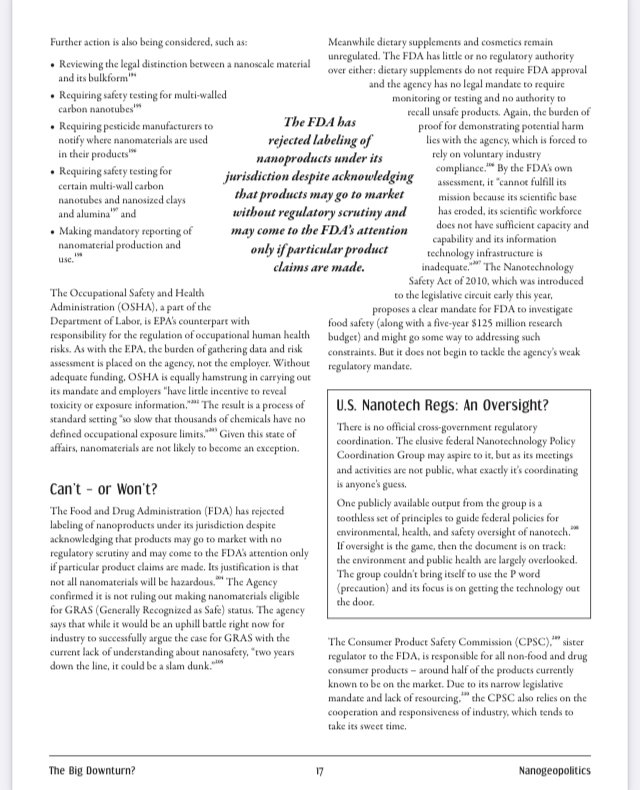
Even IF the national government is successful in placing 7-OH on the Schedule 2 list, — YES! — it will likely cease to be sold in convenience stores, gas stations, smoke and vapes shops; however, it will likely continue to be distributed as a prescribed pharmaceutical. The current $9 billion market will simply be transferred to pharmacies and doctor’s offices creating a “brand new black market” on the streets; where the price will no doubt increase, and a new “War on Drugs” will consequently escalate with more users/street distributors incarcerated - for what is now legal to purchase. As well, it is not likely the nano scale active addiction and potency ingredients in 7-OH will be given any oversight or have any labeling requirement.
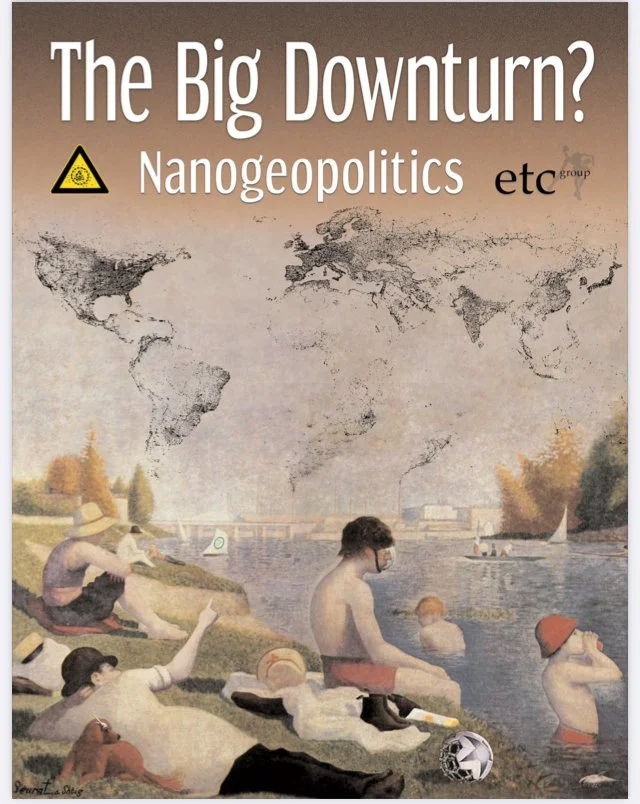
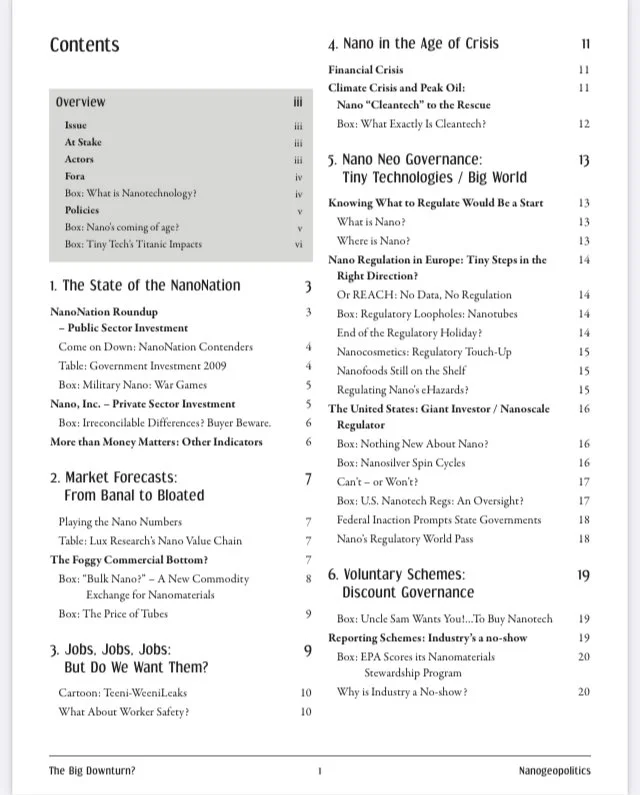
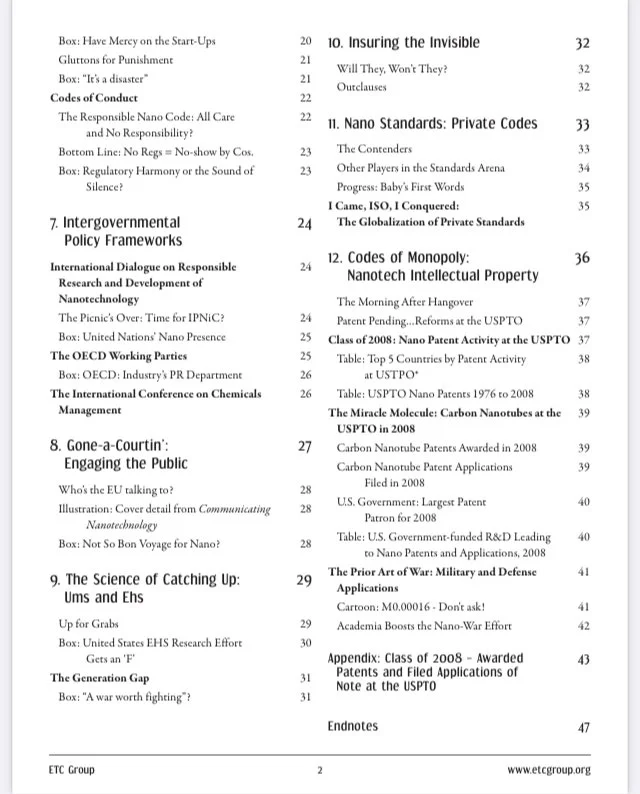
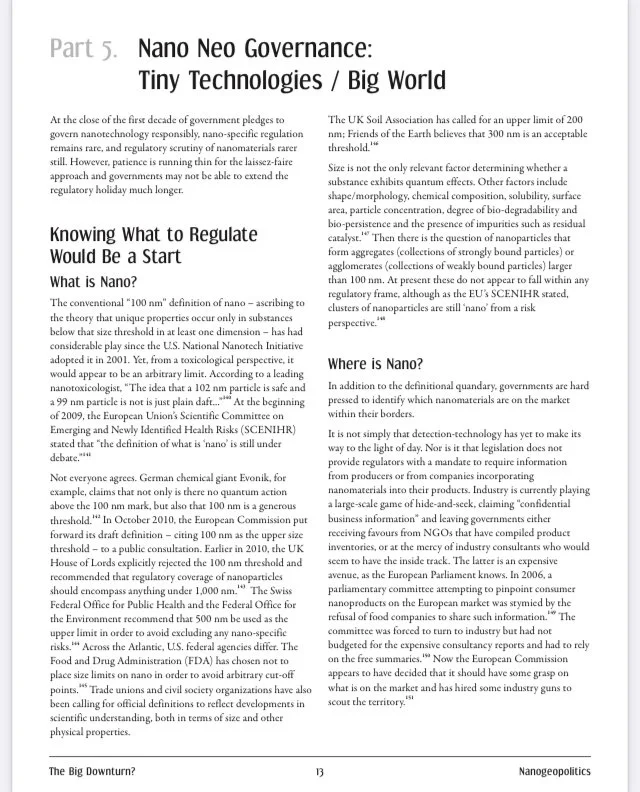
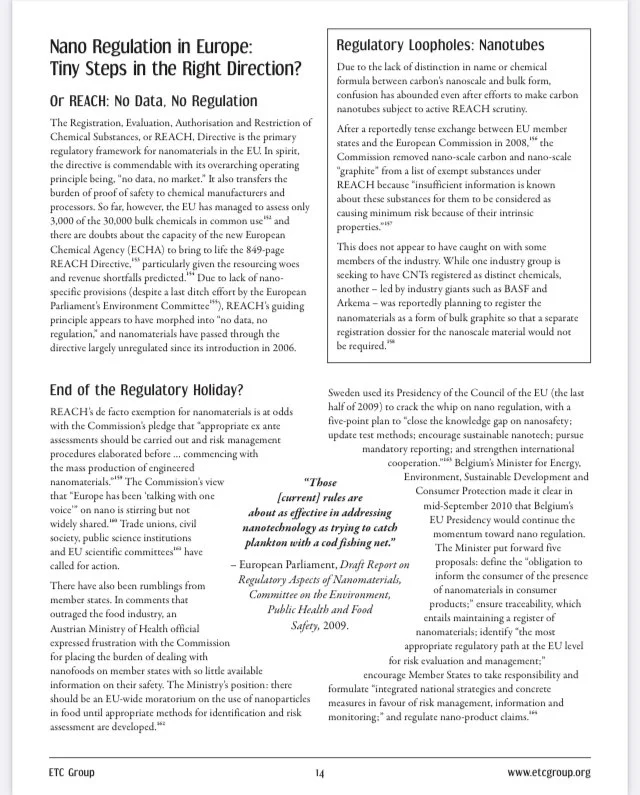
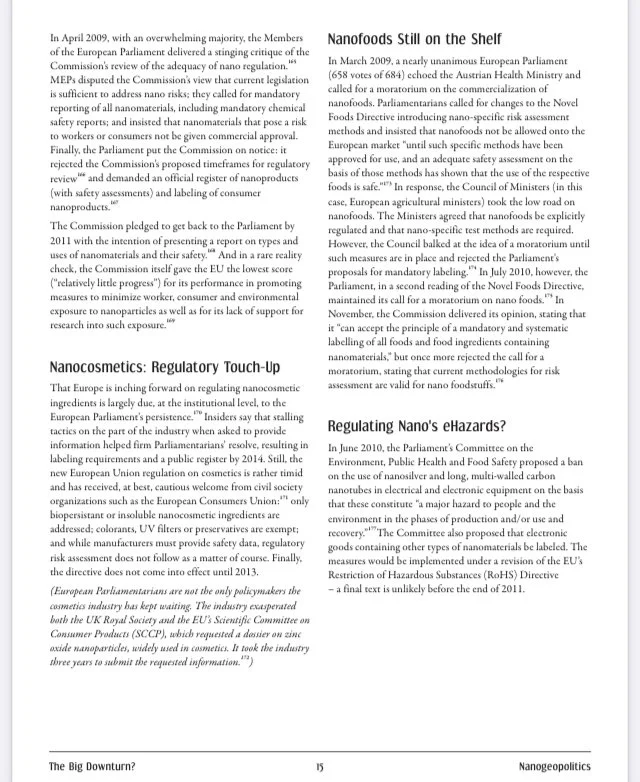
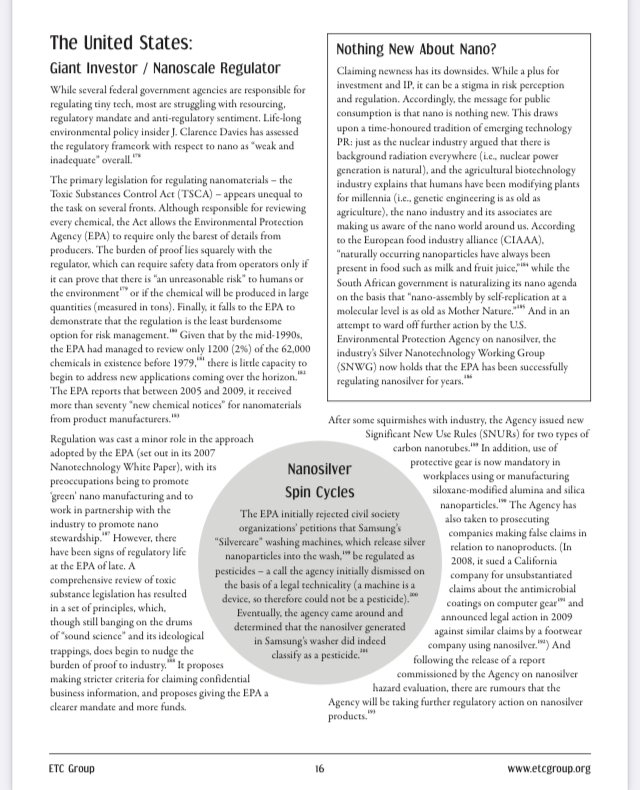
SEE more detail below: 2006 Nano Rx Report and 2010 - “The Big Downturn” ETC Group LINK to 76 page PDF
Every war has both offensive and defensive stratagems studied by those waging the war and those defending against it. As can be seen in both of the brief videos above, there are the SYNBIO biotech engineers who continually design, tweak and modify “nano-scale synthetic opioids” formulations to make them more addictive and more powerful. Those “opioid” creators are currently joined “hand in glove” with distributors and marketers both on-line; and as concerns “7-OH”, your local retailers in conveniences stores, gas stations, vape and smoke shops currently down the street in your Lakes Region community.
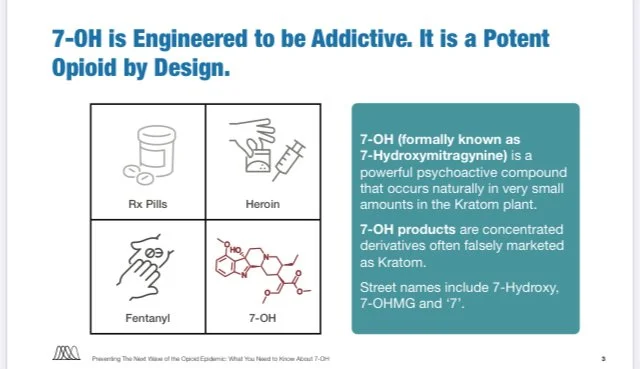
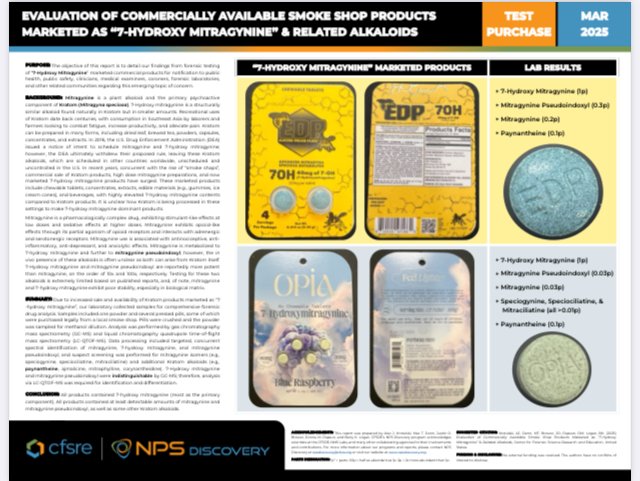
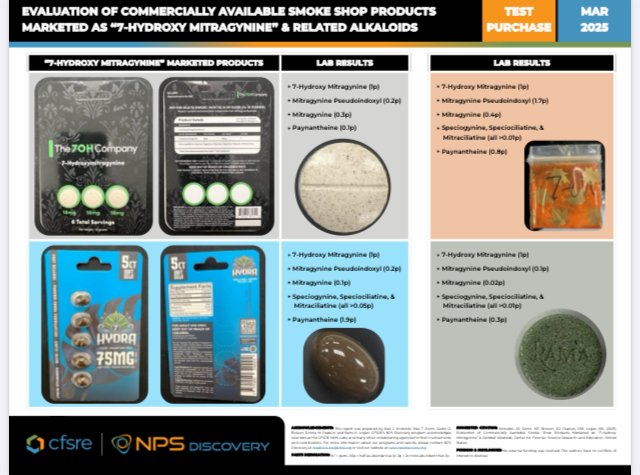
This “War on Drugs” has been a highly organized, highly profitable and deployed a systematic, structured release over time of synthetic opioids (some regulated as Schedule 1 or 2 prescription drugs such as: morphine, oxycontin, and fentanyl) — and now this release of a new one, cooked up in domestic laboratories. It’s scientific name is: “7-Hydroxymitragynine (7-OH)”.
Come on … Is this Really a Threat in our Community? Actually … YES! But It’s Just a New Extension of the “War on Drugs”. So let’s Turn to what the FDA and DEA have currently said recently.
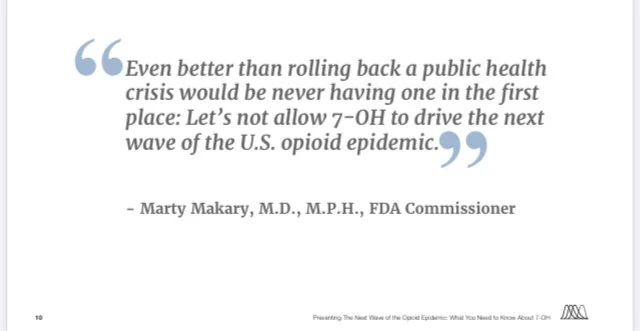
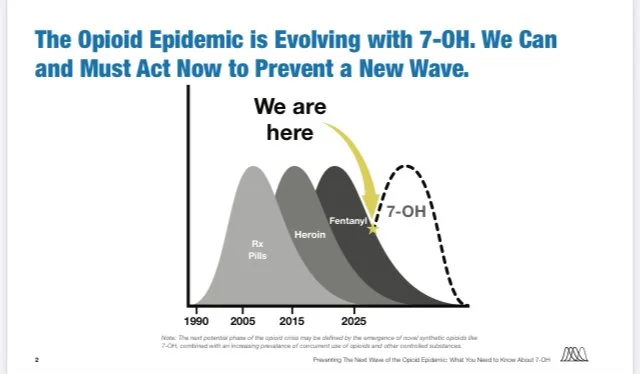
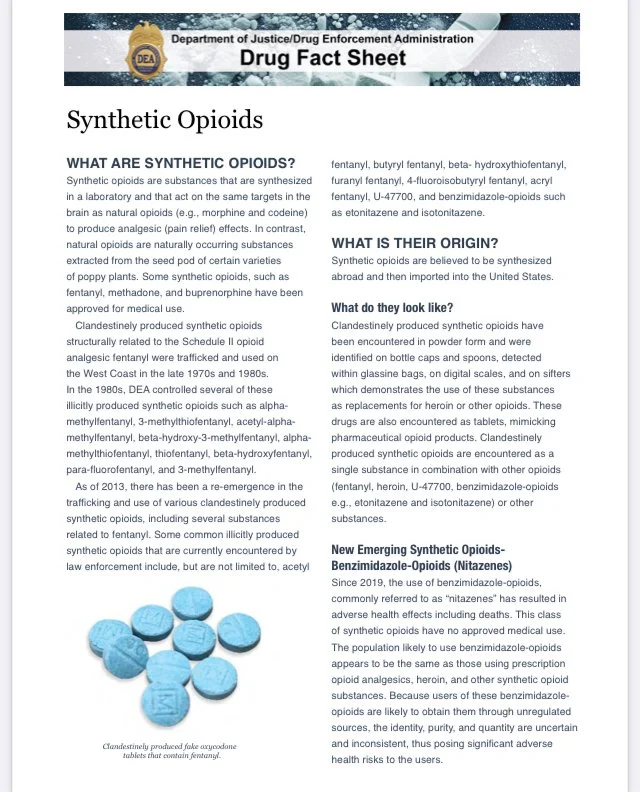
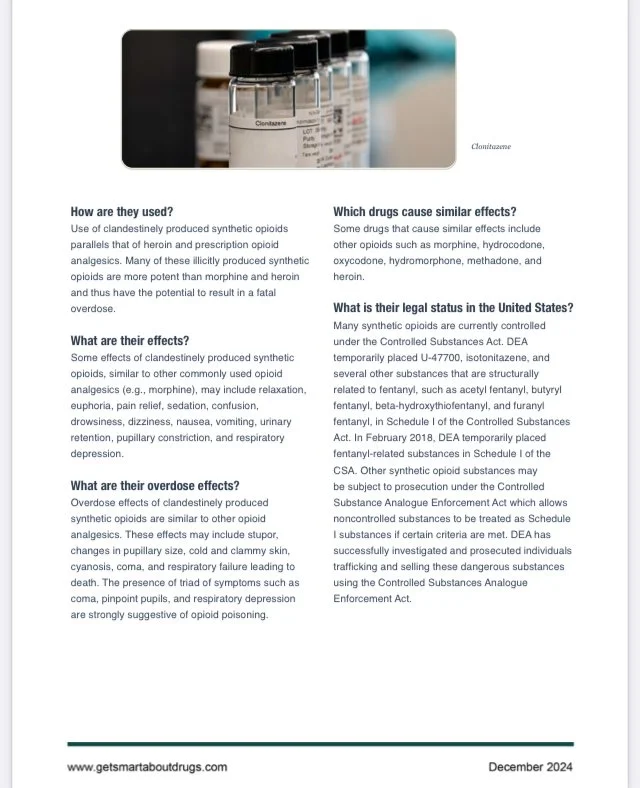
And Here is the 2024 DEA Fact Sheet Giving the Reader More on WHAT Distinguishes '“Synthetic Opioids” — From Previous Ones
Nano Rx Report — A Critical 63 page Report in 2006 Explaining in Detail the State of Synthetic Biology SYNBIO — at that time. The Implications of synthetic nano-tech biology in 7-OH Opioids will become obvious to readers. As will the “HyPE drugs” platform. LINK TO FULL REPORT
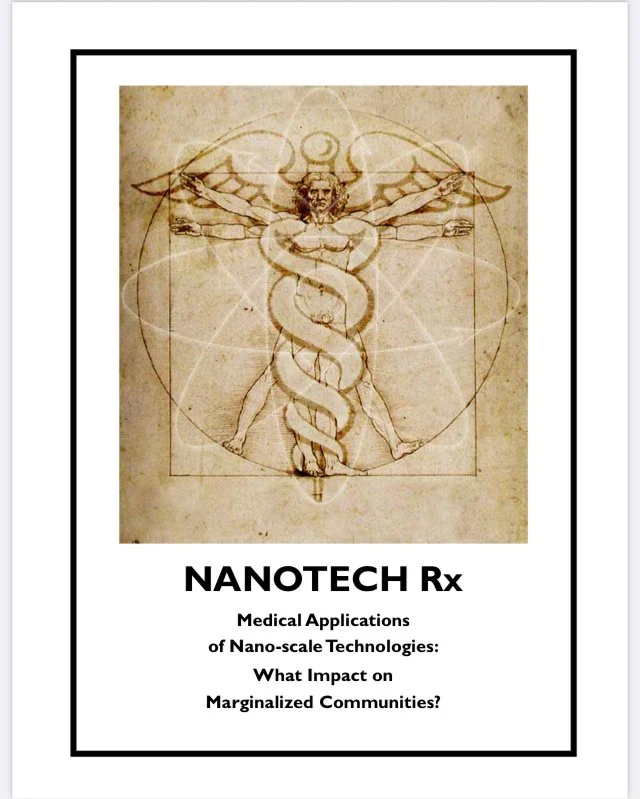
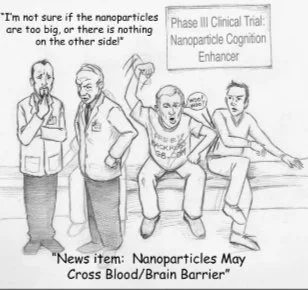
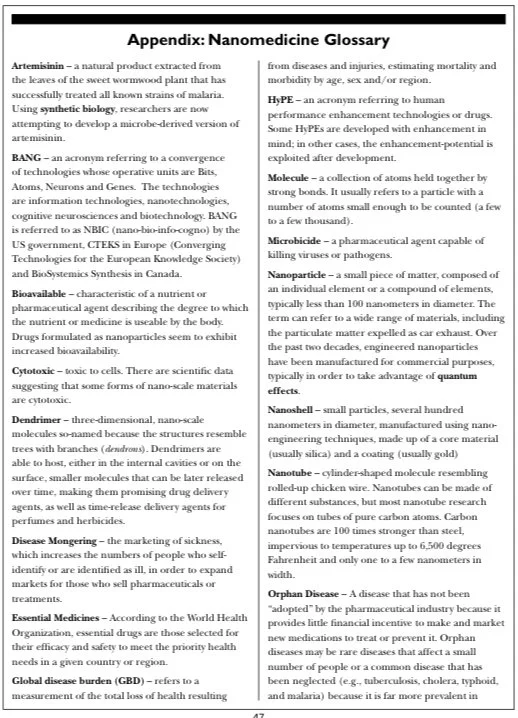
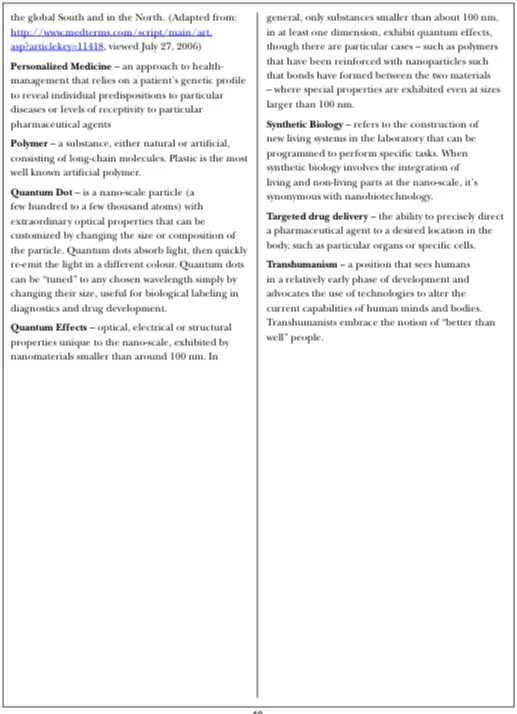
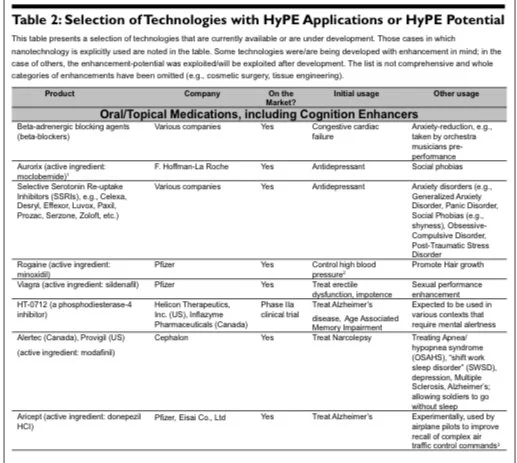
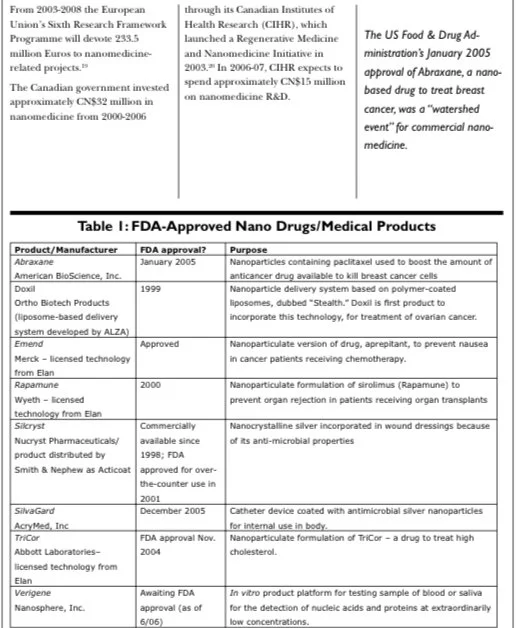
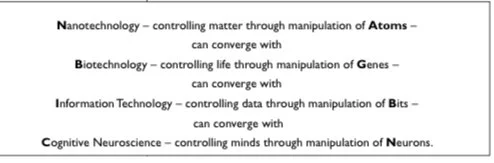
The Emergence in 2006 of Nano Scale Synthetic Biology (SYNBIO) — Not Meaningful Oversight - See the “Big Downturn” below.
Issue: Medical applications of nano-scale technologies have the potential to revolutionize healthcare by delivering powerful tools for diagnosing and treating disease at the molecular level. But the current zeal for nano-enabled medicines could divert scarce medical R&D funds away from essential health services and direct resources away from non-medical aspects of community health and wellbeing.
Although nanomedicine is being touted as a solution to pressing health needs in the global South, it is being driven from the North and is designed primarily for wealthy markets. Using nano-scale technologies, the pharmaceutical industry’s ultimate goal is to make every person a patient and every patient a paying customer by “medicating” social ills with human performance enhancement (HyPE) drugs and devices. Nanoenabled HyPEs could usher in an era of two-tiered humans – Homo sapiens and Homo sapiens 2.0.
Market: As of mid-2006, 130 nanotech-based drugs and delivery systems and 125 devices or diagnostic tests are in preclinical, clinical or commercial development. The combined market for nanoenabled medicine (drug delivery, therapeutics and diagnostics) will jump from just over $1 billion in 2005 to almost $10 billion in 2010 and the US National Science Foundation predicts that nanotechnology will produce half of the pharmaceutical industry product line by 2015.
Nanomedicine will help big pharma extend its exclusive monopoly patents on existing drug compounds and on older, under-performing drugs. Analysts suggest that nanotech-enabled medicine will increase profitability and discourage competition. Impact: Nanomedicine may have its greatest impact in the realm of “human performance enhancement” (HyPE). Nanomedicine in combination with other new technologies will make it theoretically possible to alter the structure, function and capabilities of human bodies and brains. In the near future, nano-enabled HyPE technologies will erase distinctions between “therapy” and “enhancement” and could change, quite literally, the definition of what it means to be healthy or human.
There are Huge Lobbying Pressures for 7-OH and Kratom products — and $9 billion reasons WHY?
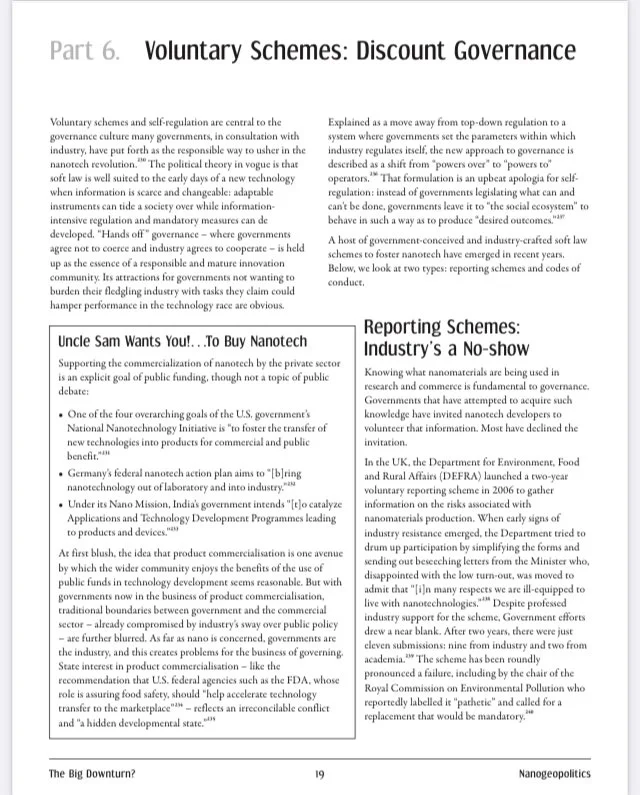
Despite extreme synthetically engineered addictiveness, synthetic engineered opioid potency and massive unresolvable side effects — such as heightened 7-OH overdoses and respiratory system failure — the nano-scale ingredients of 7-OH are not regulated by governments, nor are they required to appear on the labels of the products. The following report by ETC Group lays out these facts within the introductory 15 pages. Lack of oversight and labeling are not a SECRET. This has been known since the period of 2001-2010, and the lack of oversight and labeling persists in 2015. Please read FULL REPORT.
2010 - “The Big Downturn” ETC Group LINK to 76 page PDF
No Regulatory Oversight of Nano scale active ingredients in drugs, foods, beverages, cosmetics, and other consumables such as 7-OH.
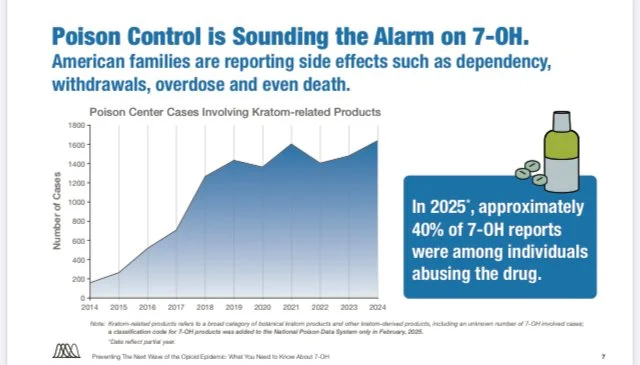
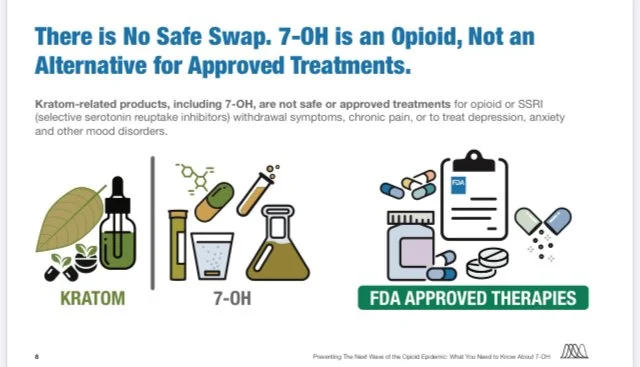
SOURCE Pharmacy Times: In late July, the FDA announced that synthetic concentrated 7-OH products, sometimes sold as “enhanced kratom,” should be considered for scheduling under the Controlled Substances Act. The FDA emphasized that their focus was on synthetic concentrated 7-OH opioid products and not leaf kratom, which they noted has limited health concerns.
Synthetic concentrated 7-OH opioid products have recently been associated with severe addiction, rapid dosage escalation, and problems with breathing, agitation, seizures, hypertension, tachycardia, and death in consumers.
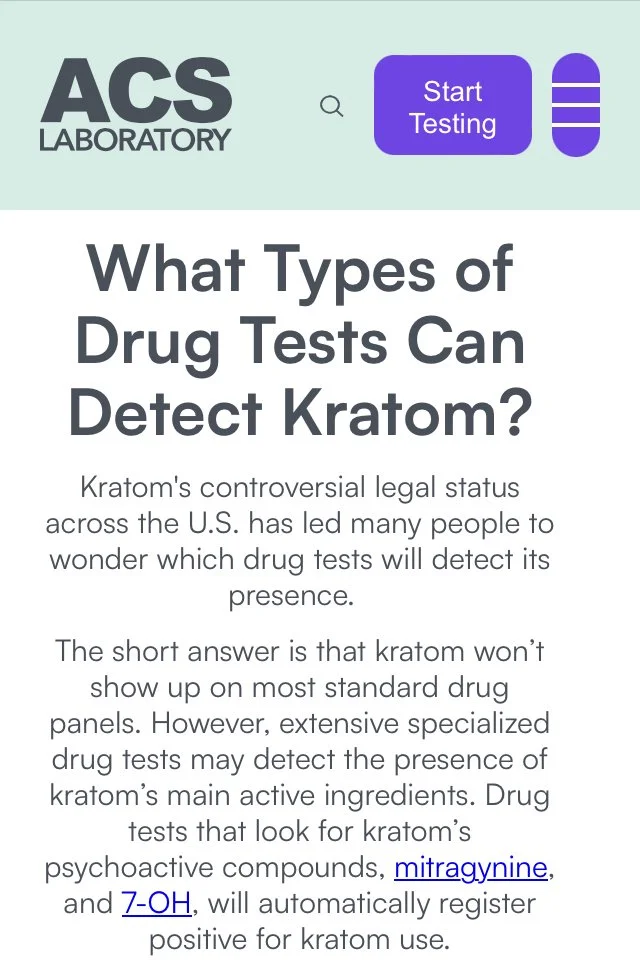
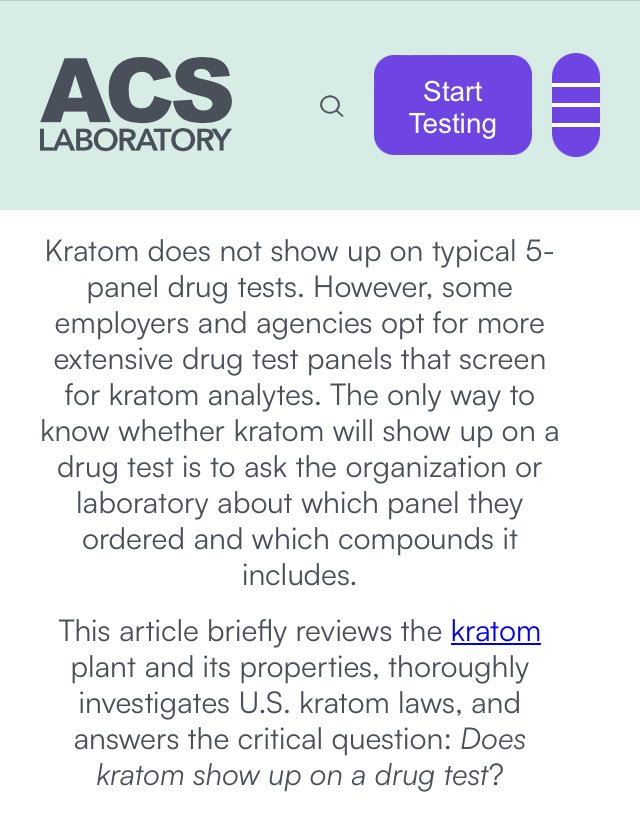
Importantly, synthetic concentrated 7-OH is not on a standard drug screen and you will not detect it unless you specifically ask for the test to be run.
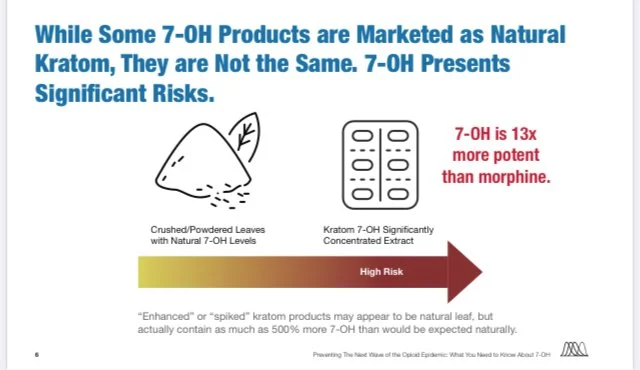
To create synthetic concentrated 7-OH products, manufacturers chemically oxidize mitragynine extract, using harsh chemicals such as pool shock to create a potent semi-synthetic opioid. Concentrated synthetic 7-OH opioid products contain synthetic 7-OH at levels that are more than 100 times higher than the natural 7-H found in dried leaf, creating a product that is 13 times more potent than morphine. Animal studies have shown that high doses of 7-OH, like those found in concentrated synthetic 7-OH products, are as addictive as prescription opioids with a similar risk of causing respiratory depression.
Economic Growth in retail market in 18 months from $0 to $9 Billion.
Synthetic 7-OH is now being added to hemp products — as a disclosed or undisclosed additive to make it more powerful and addictive. Seriously?
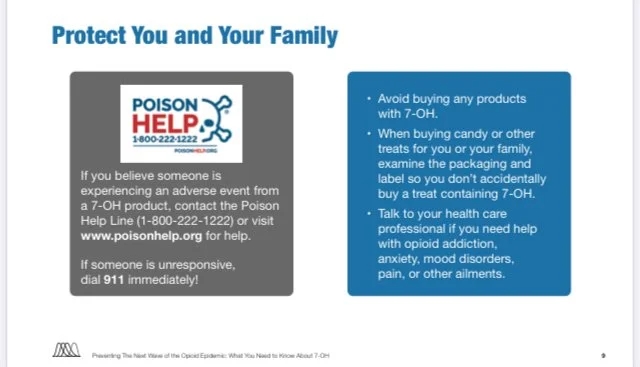
A few of many side effects include the following — IF — the person suffering them actually knew they took synthetic 7-OH with nano-scale active ingredients.
WITHDRAWAL TREATMENTS INEFFECTIVE. — LANGUAGE WARNING
7-OH not Screened for in Drug Panel Tests Unless Requested
7-OH (7-hydroxymitragynine) can be detected through specialized drug tests that specifically screen for its presence, as it is not included in standard drug panels. These tests are typically ordered separately and are not part of routine drug screenings. It’s a matter of speculation as to the cost differential between standard drug panels and specialized drug panels.
An additional challenge with opioid deaths (ODs) INCLUDES:
all (autopsies) of those suspected of drug causes,
car accidents resulting from findings of “under the influence of drivers” and third party victims,
drug screenings of people arrested and in jails, and
psychotic breaks individuals or other aberrant behaviors (road rage, domestic outbursts, etc.) whether of not diagnosed by clinicians.
7-OH (7-hydroxymitragynine) can be detected through specialized drug tests that specifically screen for its presence, but it is not included in standard drug panels. These tests are typically ordered separately and are not part of routine drug screenings.
A RELEVANT QUESTION: So what spouse, parent or loved one would even think to ask for an enhanced panel screening? WHY? Unless they were pursuing a claim of wrongful death, pain and suffering, loss of employment, and emotional distress against the manufacturer of the 7-OH?
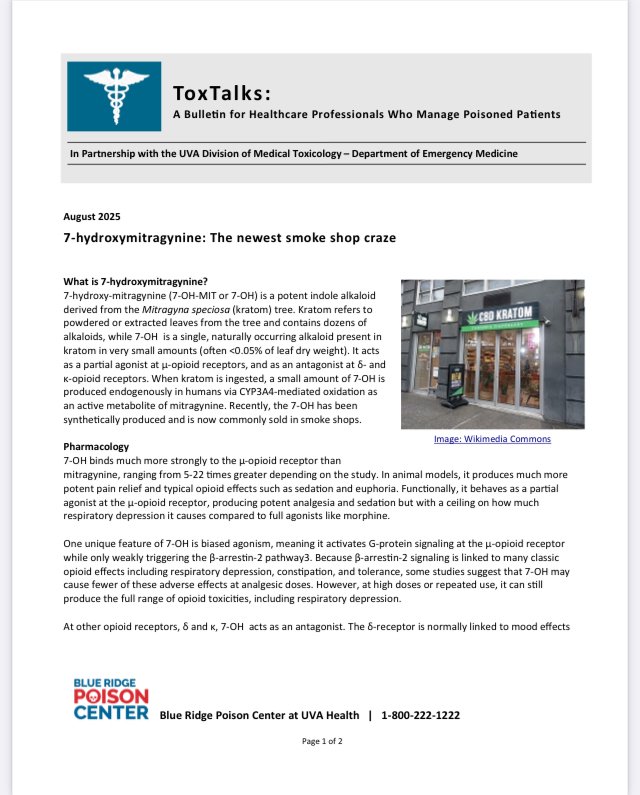
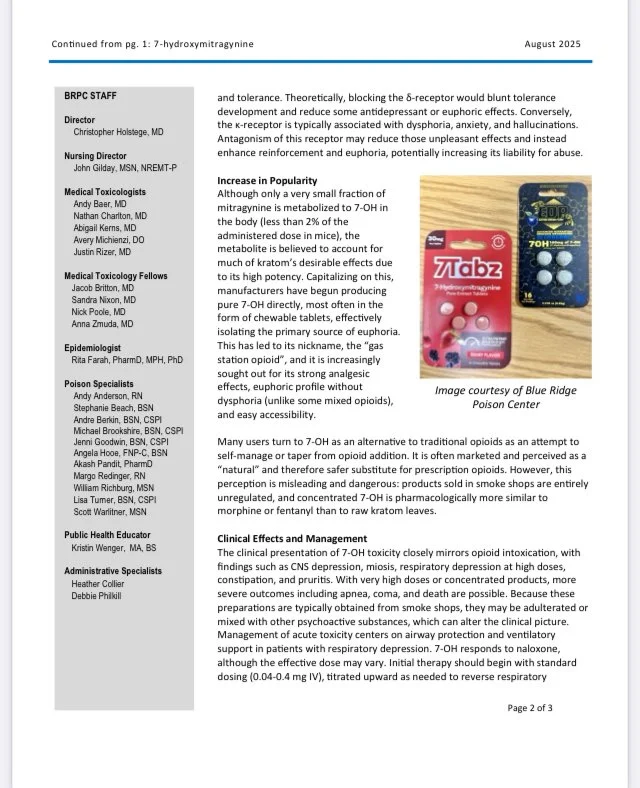
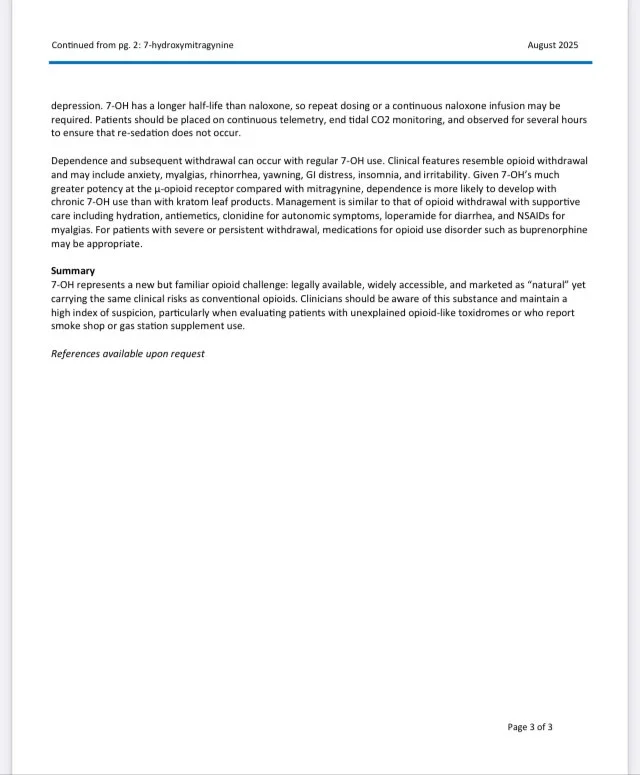
Additional Video Link to August 2025 Press Conference on 7-OH. Not embeddable.
Please watch on YouTube
Stay tuned for our upcoming post on the War on Information Narrative and Full Spectrum Dominance.